Confidence as a Habit

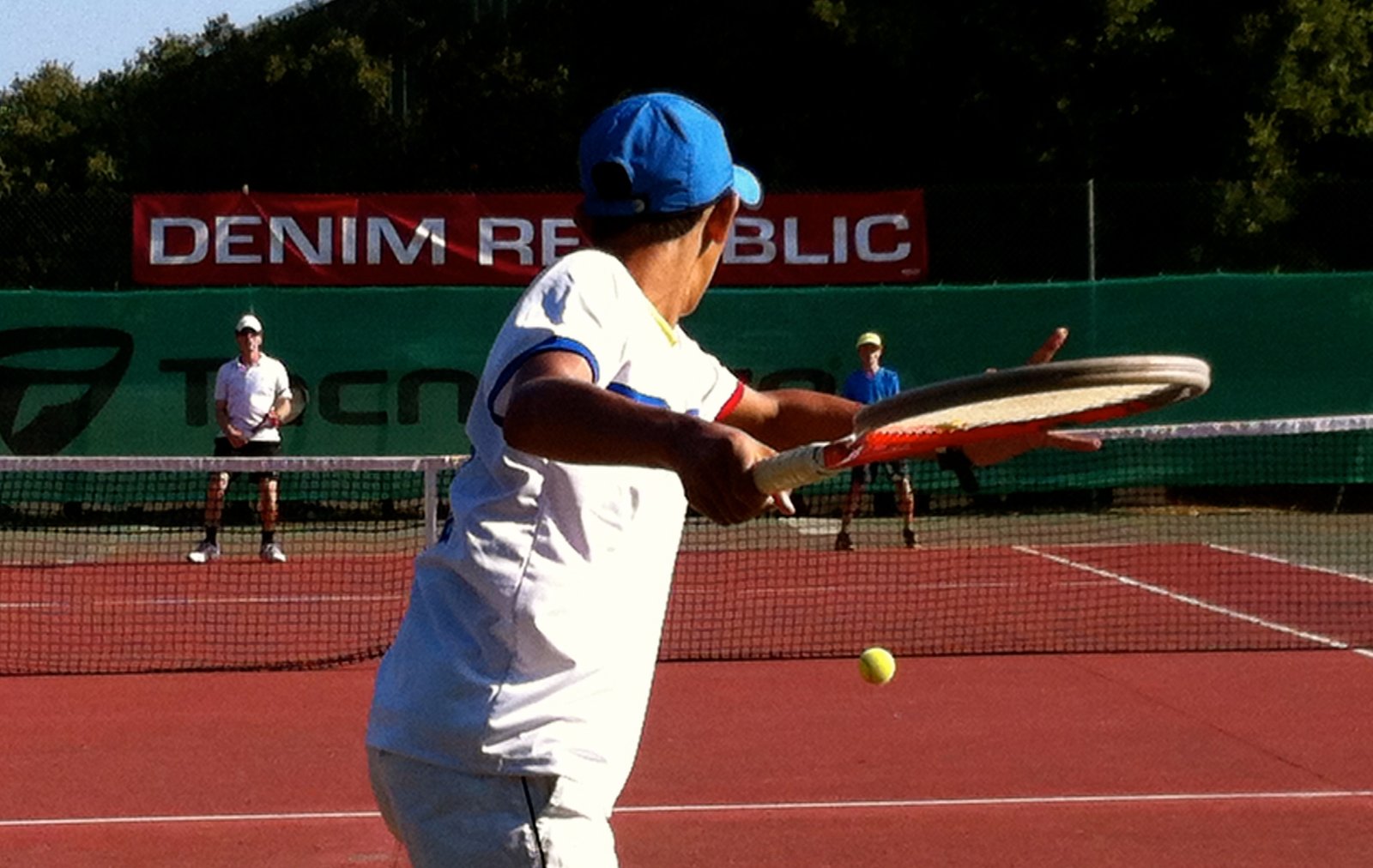
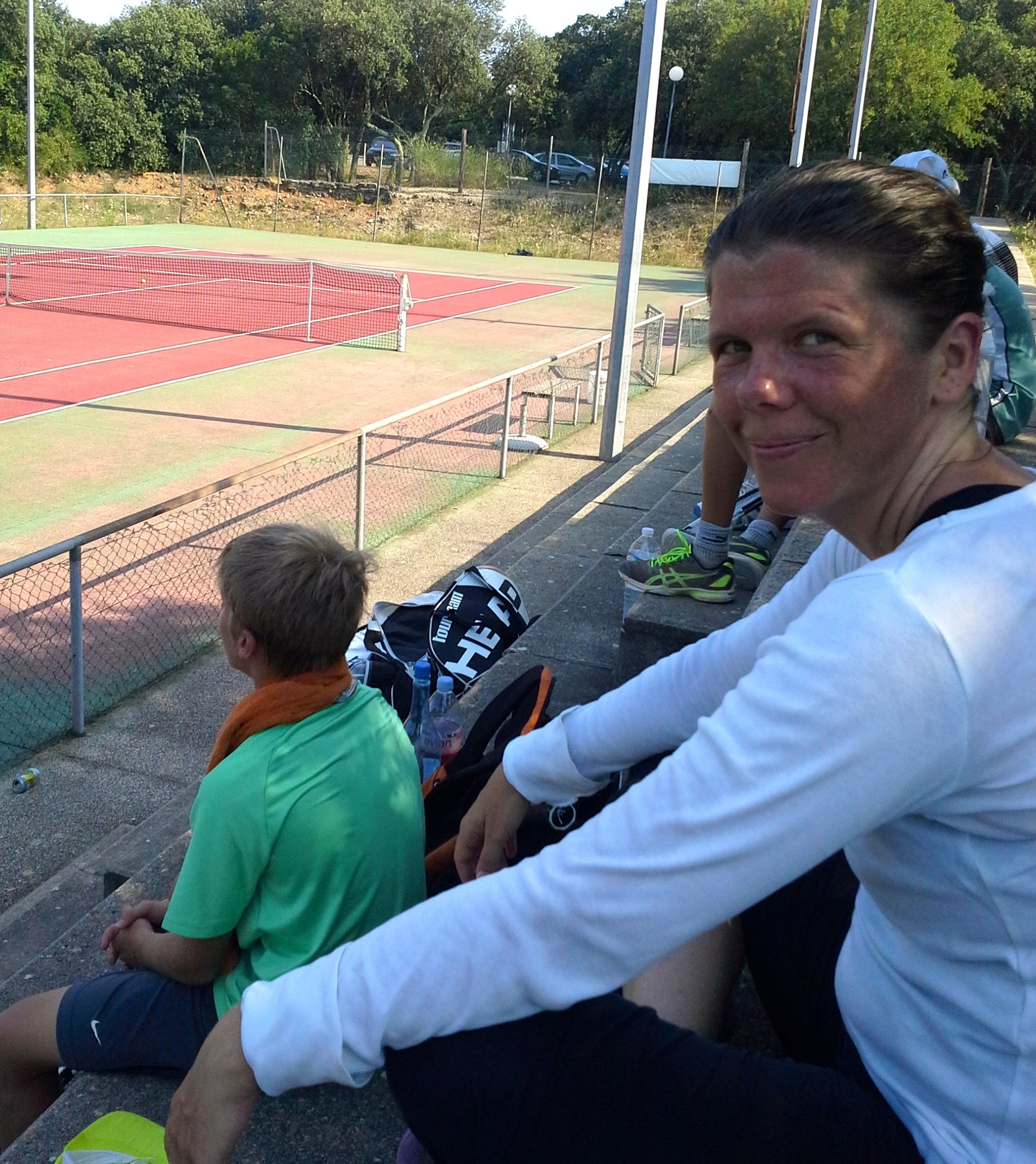
Hauts De Nimes Tennis Academy

I was assisting at a tennis camp this summer and I noticed that I have some unconscious that are quite confidence killing…

I started thinking about this because we were playing a spontaneous game, tossing balls around while running, and one of the players kept apologizing when he would throw the ball and the catcher didn’t catch it.

It occurred to me that, what if, instead of deciding that his ball throwing was “wrong”, he challenged that assessment and decided to view it as a natural part of learning to throw (while running!) or part of the variety of life? He could appreciate that his crazy throws gives him and the catcher a chance to move in new and interesting ways and adds the fun of surprise into the game. What is there to say sorry about? He might choose, instead, to say, “Thanks!” or “That was fun!” or “Whoa! That was a good one!”

It was such a profound realization that I decided to not apologize for any of my crazy throws. You can imagine how much more confident I felt in this situation by finding fun in the unexpected versus feeling sorry about it.

The point here wasn’t that I threw any better, it was that I thought and felt differently about it. I was immediately more confident, because I was doing the same actions with an attitude that allowed me to believe in the value of my actions. That was a game changer.

And it was a lot more fun to play! And maybe my throws did get better just because I felt encouraged to play and practice longer.


Changing Thoughts and Feelings Can Build Confidence

How you think and feel about things determines your relationship to them. Change your thoughts and feelings, change your relationship. A “bad” throw becomes a “fun” throw.

This makes sense especially if you view “bad” as a set of decisions (thoughts). Your bad and my bad might even be different. And though you can probably discover some situations in which a throw would be “unacceptably bad”, like someone getting hurt, unacceptable is probably way beyond the “bad” that you are apologizing for, and that could be reassessed as fun.


Changing Your Game: A Confidence Practice to Play With

In any case, if you would like to play with improving your self-confidence, find an area in your life where you would like to improve your self-confidence and do a review of your thoughts on the activities in that area. Identify actions or patterns that you habitually view as “bad” or “poor” and see which ones can be reassessed as “normal”, “interesting”, “spontaneous”, “surprising”, “fun”, etc. Be creative and generous with yourself. And be honest as this will work best if you actually believe what you are telling yourself!

Then you can start changing your habits, from confidence-killing thoughts to confidence-building ones. Changing habits takes some time, so be patient and compassionate with yourself.


The Flow of the Practice

Usually you will start with just being conscious of the old patterns after they happen, then as your consciousness of them increases you will become conscious of them while they are happening and eventually you will be conscious of them in time to make new choices.

So, for example you might try this: the next time you are doing those actions just notice your old confidence-killing thought patterns and, after you do them, remind yourself of the possibility of the new ways to view the actions. Keep noticing the old patterns and reminding yourself of other possibilities, just as possibilities (no pressure to change, just a suggestion that change is possible). Eventually, with patience and repetition of the new possibilities you will notice the patterns in time to think the new thoughts before the old ones have a chance to come. New patterns will be established.


A Final Thought on Keeping it Fun

One thing to think about is that the less frustration you put into the mix (about how long it is taking to change this habit, that you have the habit in the first place, etc, etc, etc), the faster it will change. This is because frustration adds another layer that you have to work through to be what you want to be.

Start small and practice easy things first to get the hang of it, to build your confidence with the practice and the best way for you to do it. Then work your way into changing bigger, more difficult patterns.


And remember that ultimately, you are perfect as you are right now, and not to take anything too seriously, especially yourself!


Enjoy!


How to Stop the Mind with Gratitude

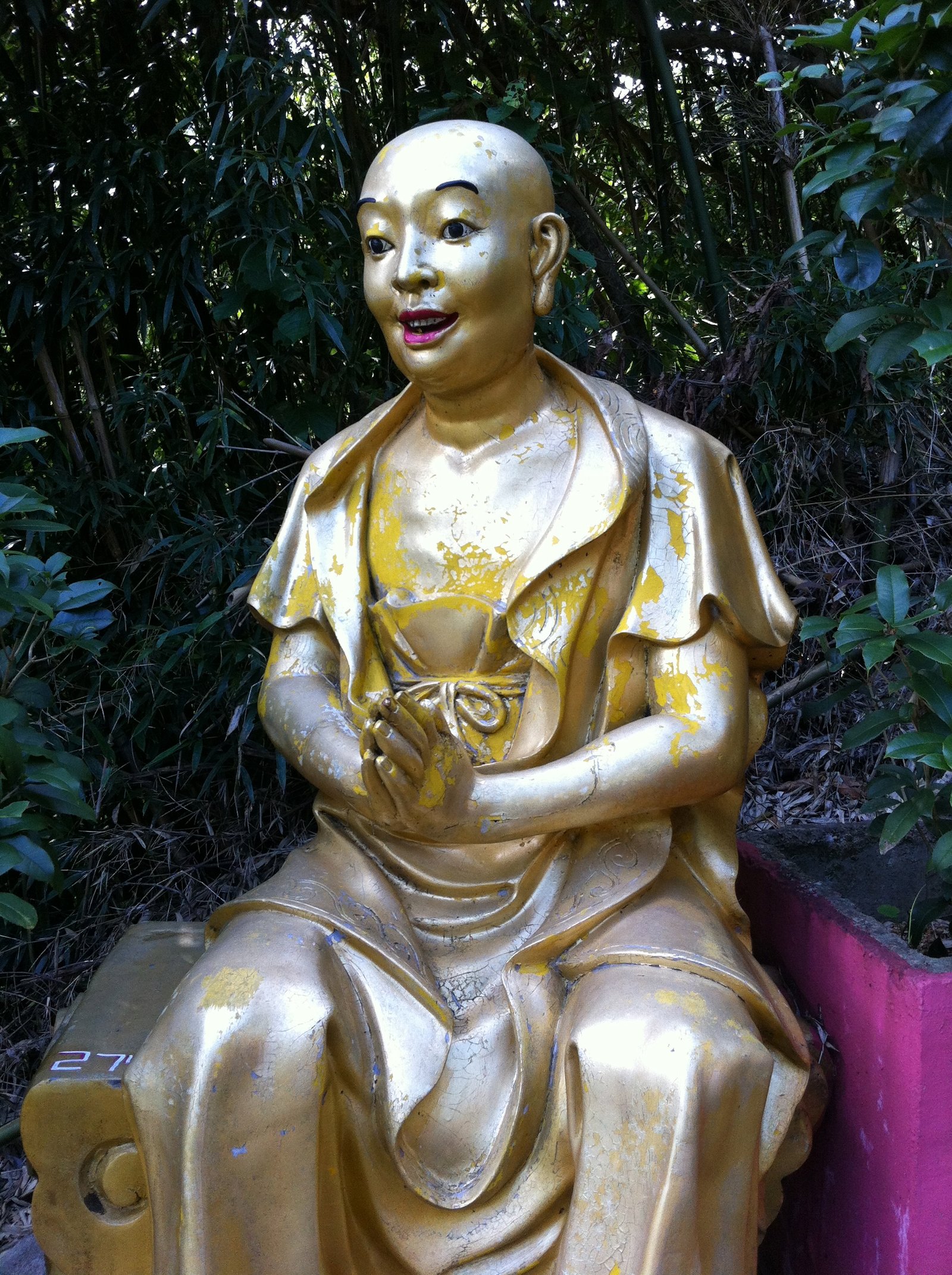
Sha Tin 10.000 Buddhas

A beloved friend mentioned the value of thinking about something that I’m grateful for when I first wake up… and I’ve discovered a lot of value in taking her quite literally.

I’ve noticed a lot of mind activity in the morning, a strong habit of starting to think about things immediately upon waking up. I haven’t even opened my eyes sometimes and my mind is off planning my day, making decisions, accessing the day before, etc, etc, etc. That’s a pretty tricky habit to break, since I’m not even awake yet!

A Distraction Practice

So, what to do to help the mind relax its early morning vigilance?

I stop the train in it’s tracks by focusing it on coming up with something that I’m grateful about. My eyes are about to open, my mind gets going and I say, “Hey mind, what am I grateful for right now?” This usually does the trick; the cycle has been broken and peace reigns. If not, if my mind is really persistent that morning, I can ask it to think of 10 things to be grateful for and that can keep it busy for long enough to disrupt the habit.

Morning Meditation Starts the Day with Clarity

Really, this whole focus started with the observation by some teachers on The Grand Adventure that a group of us were waking up with a lot of chaotic mental activity and bringing that into our mornings together. It was suggested that we all do a morning meditation. That we get up, go to the bathroom and immediately go back and sit on our beds and meditate for 15 to 20 minutes. No drinking water, no brushing our teeth, no shower, just wake up and meditate as soon as possible to clear the mind and start the day from that place. I’ve been doing this for months now, and wow is it helpful! It seems to make an enormous difference to my whole day whether I start with a clear mind or a mind set on automatic as you can imagine.


The few minutes between waking up and meditating were still getting to me though… those I wasn’t able to do much about. I noticed that if I started meditating right when I woke up, before I even opened my eyes, which is typically when my mind started working, I would just go back to sleep! So, the gratitude exercise has turned out to be a very useful one!

I imagine that there are lots of others, and ways to improve this one… want to share your’s?

Enjoy,

Elena

The Secret to Winning

Hauts de Nimes Training

I was watching an intense professional tennis match yesterday and I realized something… that if I give up then I lose.

Simple, right?

The two athletes were really well matched, both extraordinary players. Number 1 and number 5 in the world. And one of them started winning. Really started winning. It became pretty clear, score wise that he would win the match.

And the other player kept playing. He kept playing hard, going all out our for every shot, full tilt, putting everything he had into it.

And losing.
And going full bore.
And losing.
And dedicating his entire being.
And losing.
Putting all of his focus and intensity into it.
And losing.

Point after point after point, he went for it.
And point after point after point, he lost.
And still he was there 100%.

It was amazing. If he had given up at any point, I would not have faulted him. He was clearly losing. And yet he kept playing his best, point after lost point after lost point.

He was fully motivated internally regardless of what the score was, regardless of whether he was winning or losing. Even when he was sure to lose, he kept his determination to play his best.
And he did.

And I realized that, that was a lesson to take home. Just the day before I had given up in the middle of losing every point. And I realized that that was a pattern that I could break now.

I had learned the secret.
Don’t give up.

Even when I’m losing every point, keep giving everything I’ve got.
When I’m losing is not the time to change strategies, it is time to stay determined, to stick with what I know to be right for me, even when it isn’t working in the moment. Even when I am clearly losing the match.

He won the match in the end.
And I can win in the end.

In fact I will win in that moment, long before any end, because I will be my own safe harbor, my own rock, my own measure of success… my own judge of whether I gave up too soon or persevered.

Patience, determination and belief in myself.
Especially when things seem bad.
What a beautiful lesson.

Thanks, Nadal and Djokovic, you are amazing inspirations!,

Elena